- THE FIT PICKLER
- Posts
- Footwork That Builds Patience
Footwork That Builds Patience
Lightning Volley Drill, Control or Chaos?, Your Ankles, Recovery, Pro Trades, Married To Pickleball, Lower Back Relief & More

FIT PICKLER
February 05, 2026

Health, Fitness, News & Fun for Picklers of All Ages
What's Cooking in the Kitchen This Week:
Footwork That Builds Patience
How February Quietly Steals Your Ankle Mobility (And Sets You Up For Heel Pain)
DRILL OF THE WEEK: Lightning Hands Volley Drill
Fitness Expert Glenn Dawson: Knee To Chest Stretch For Hip and Low Back Relief
Carolyn Hax: Can Their Marriage Be Dying Of … Pickleball?
Pickleball in 2026: Which Style Will Dominate The Game - Style Or Chaos?
Pickleball Injuries: Causes Prevention & Recovery Guide
2026 Major League Pickleball Trades and Analysis
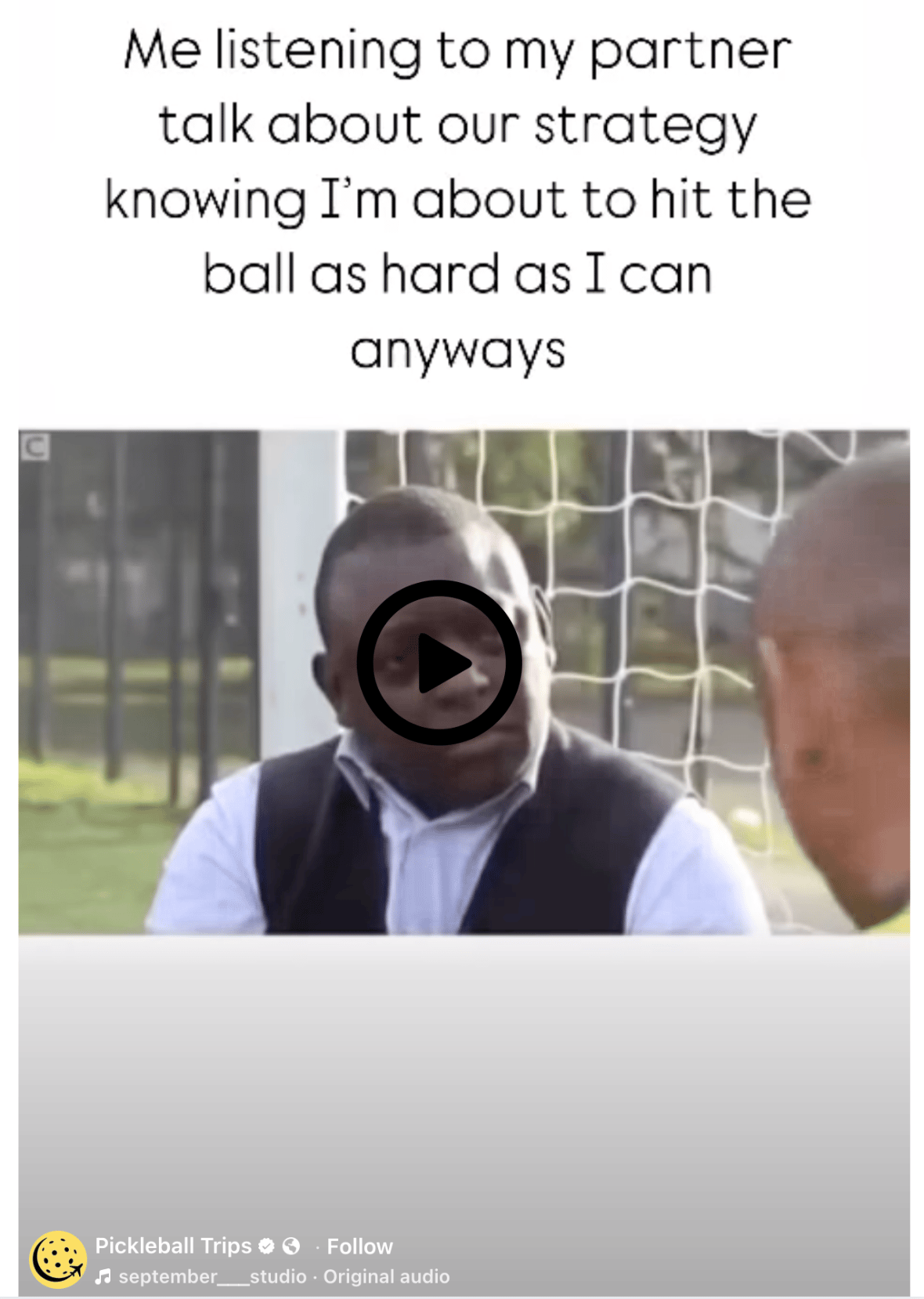
HUMOR: Me Listening To My Partner Talk Strategy…
Coach Mary: What We Can Learn From Watching The Pros
🥷SKILLS
Footwork That Builds Patience
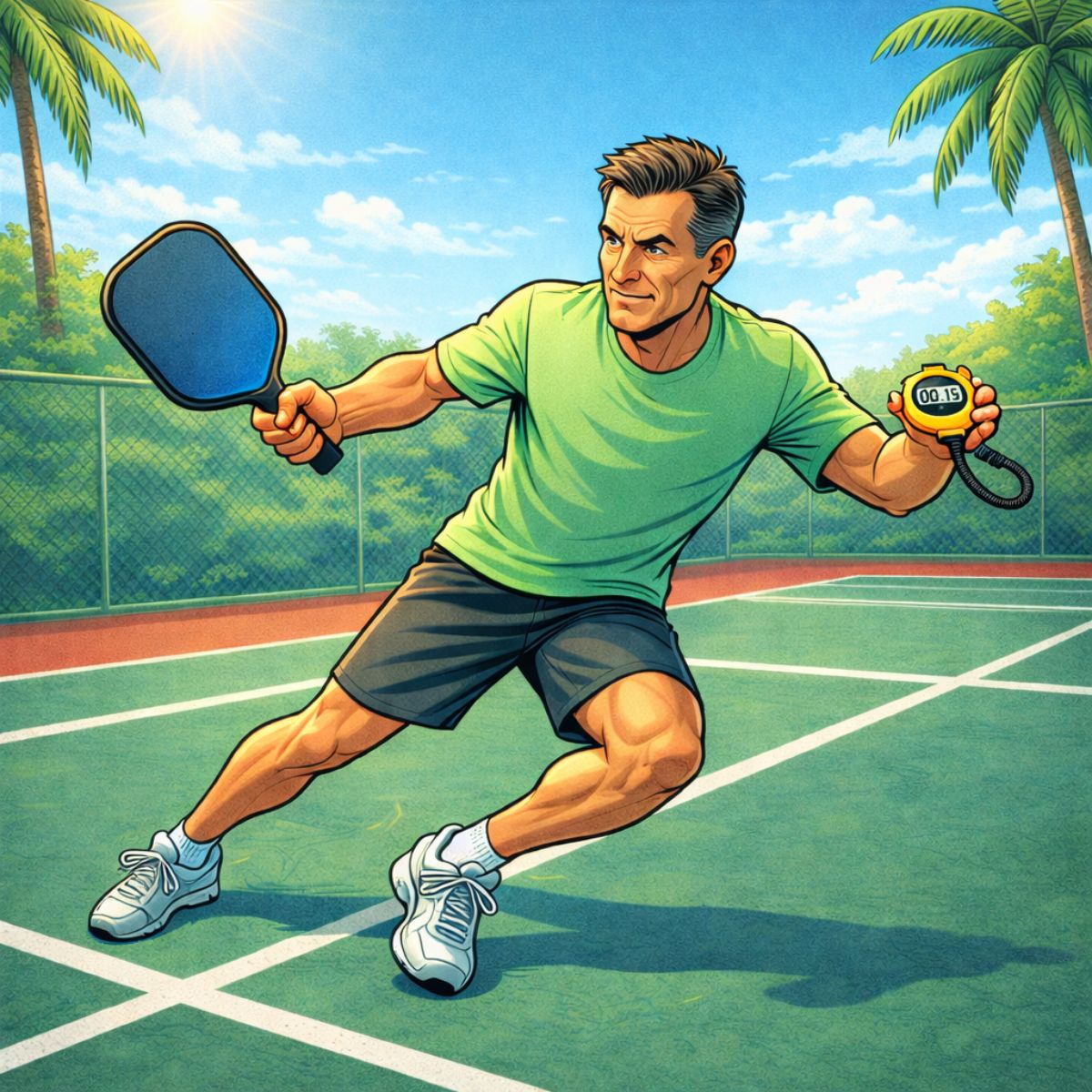
Patience, Grasshopper…
Most players try to “be more patient” by talking to themselves: calm down, stop rushing, wait for a better ball. But in real games, your feet usually decide before your brain does.
When your feet stop early, you reach and poke. When you creep too close to the net, every firm ball feels like an emergency. When you never reset your balance between shots, long rallies feel chaotic and out of control.
If you want more patience, start with your movement. Disciplined footwork buys you time, gives you cleaner contact, and makes long rallies feel manageable instead of frantic.
Why Patience Starts In Your Base
Watch the steadiest player at your park in a long rally. You will usually see the same things:
Their head is stable, not bobbing.
Their weight looks centered, not falling forward or back.
Their steps are small and frequent, not big lunges.
Because their base is quiet and organized, the ball keeps arriving in a familiar spot. That comfort is what lets them choose a soft dink or reset instead of bailing out early with a big swing.
On the other hand, when your feet are late:
You lean and reach instead of stepping.
Your paddle drops, your shoulders twist, and your contact point moves all over the place.
You feel “rushed,” even when the ball was very playable.
You do not need to move more. You need to move just enough, early enough, so each ball feels a little less urgent.
💪 Health & Fitness Section
How February Quietly Steals
Your Ankle Mobility (And Sets
You Up For Heel Pain)

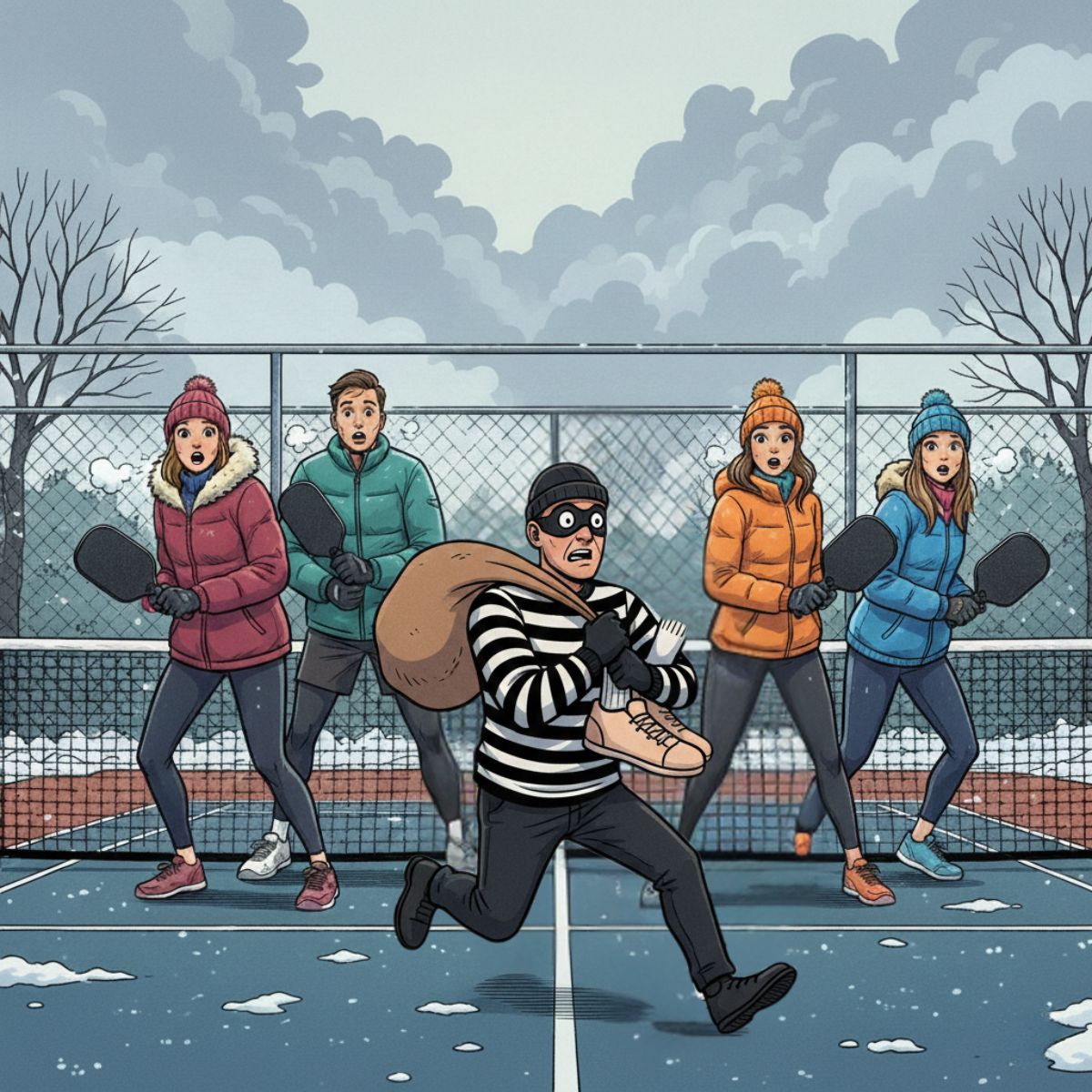
Stop Thief!!!
Every February, a lot of players notice the same thing.
Calves feel tight by game two. Ankles feel stiff on the drive home. The next morning, the first few steps out of bed do not feel good.
Most people shrug and stretch a bit more. Then they keep playing the same way.
But when doctors look at people with stubborn heel pain, they see a clear pattern in the ankle and calf first. You can check that same pattern on yourself in 30 seconds, and you can change it with a short routine on the court.
The 30-Second Ankle Test
Stand facing a wall.
Put your big toe about the length of your palm away from the wall.
Keep your heel flat on the floor. Now drive your knee forward toward the wall.
If your knee cannot touch the wall without your heel lifting, your ankle is stiff. If one side moves much less than the other, that side is at higher risk.
Why February Is Hard on Your Ankles
In colder months, most adults walk less and sit more. You drive more trips instead of walking them. You stay indoors more. Your legs and ankles move through a smaller range most days.
You also wear thicker socks and stiffer shoes or boots. That cuts down small ankle motions with every step.
By the time you reach the court, your calves and ankles start colder and tighter than they do in spring or summer.
🥷 DRILL OF THE WEEK
Lightning Hands Volley Drill
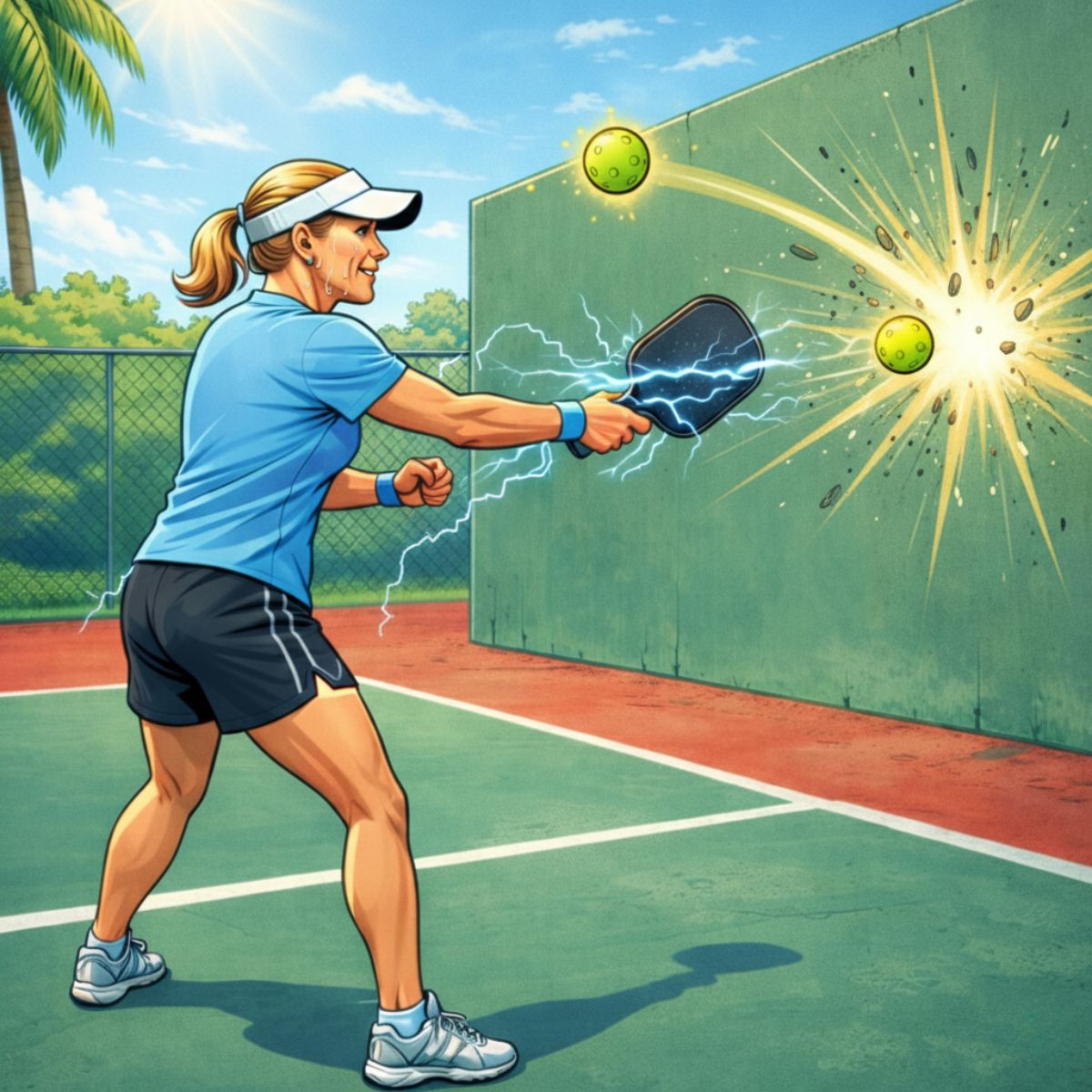
🎶🎶 This Girl Is On Fire…🎶🎶
Fast hands at the kitchen aren’t about swinging harder — they’re about staying compact when the ball comes at you hot. This drill strips volleys down to what actually matters: paddle position, timing, and absorbing pace without floating the next ball.
Learn how to train lightning-quick hands, control speed-ups, and win more hands battles without popping anything up.

🏋️ STAYING FIT with
GLENN & BRIANNA
Knee To Chest Stretch For
Hip & Lower Back Relief
👏 COMMUNITY NEWS
Can Their Marriage be Dying…
Of Pickleball?
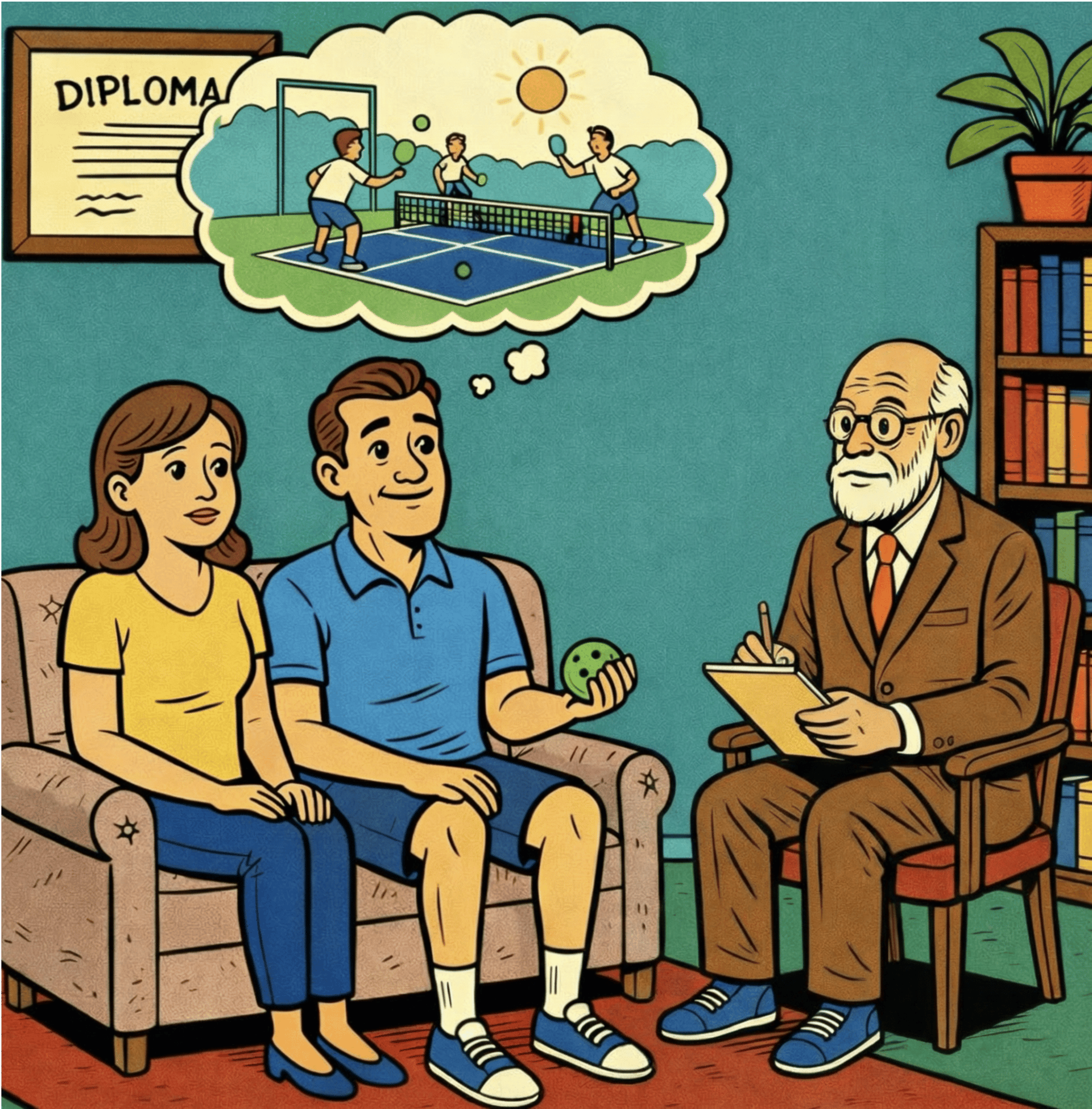
Um, Yes, Of Course I’m listening…
In a recent column, Washington Post advice mainstay Carolyn Hax responds to a spouse who says her husband’s pickleball obsession has quietly taken over family time, dinners, and basic partnership. What sounds funny at first turns into a serious conversation about boundaries — and what happens when a hobby stops being harmless.
Read what Hax says when balance stops being negotiable.
🏓 PRO NEWS
Pickleball in 2026: Which Style
Will Dominate The Game?
Style or Chaos?

Which Side Are You On?
Professional pickleball is heading into a stylistic crossroads. As 2026 approaches, the sport’s long-standing formula of patience, resets, and control is being challenged by a faster, more aggressive brand of play that’s forcing uncomfortable questions at the top of the game.
See how “order” and “chaos” are colliding — and which style may actually win when the season unfolds, click here…
⚕️ HEALTH NEWS
Pickleball Injuries:
Causes, Prevention &
Recovery Guide

The Hip Bone Connected To The Thigh Bone…
You can play through a bad line call. You can’t play through a cranky elbow, tight Achilles, or a shoulder that won’t fire. For players on court almost every day, staying healthy isn’t about avoiding injuries — it’s about managing the wear before it turns into time off.
Read more on the fixes daily players actually use to keep their bodies holding up week after week, click here…
🏓 PRO NEWS
2026 MLP
Trades & Analysis
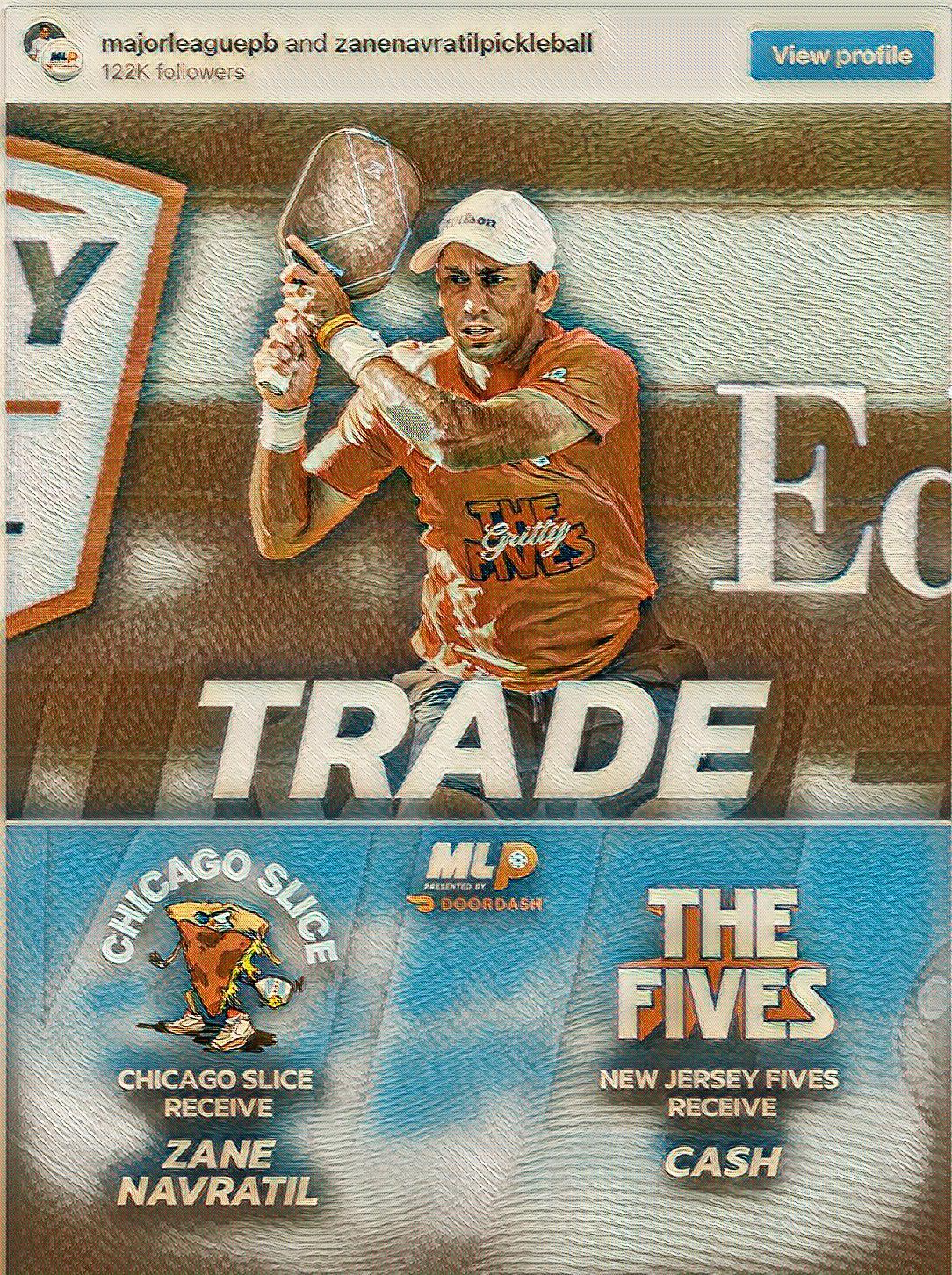
The first MLP trade window is barely open, and teams are already making moves that hint at bigger plans for 2026. One early deal has people paying attention — not for the headline alone, but for what it signals about how rosters are being shaped this year.
See which trade kicked things off and what it might mean for the rest of the window.
🏓 HUMOR
Me Listening To My Partner
Talk Strategy…

🧭 COMMUNITY NEWS
RALLY RUNDOWN:
LOCAL HIGHLIGHTS
PLOVER, WI: YMC-Yay! – New Plover YMCA Expected To Open This Year
SAN ANGELO, TX: San Angelo Smashers Pickleball Bar and Grill Will Send Players To US Open
NOBLESVILLE, IN: Pickleball Tournament Raises Funds To Help Shelter Animals
CHARLOTTESVILLE, VA: Pickleball Tournament Helps Literacy Volunteers
HOUSTON, TX: A New Pickleball Empire Is Rising Across Houston's Suburbs
BENDER: TX: The Pickleball Zone Brings Community Space To Porter
MONTGOMERY COUNTY, MD: MCPS' Pickleball Diplomacy Initiative Prepares for Second Cultural Exchange with China
COTTAGE HILLS, IL: Pickleball Tournament To Fundraise For New Alton Memorial Hospital Ambulance
DO YOU HAVE LOCAL NEWS TO SHARE? REACH OUT TO US AT
[email protected] and send us a link to your story!
HOLDING COURT with
COACH MARY
💪 What Can We Learn
From Watching The Pros?

Rancho Mirage Mission Hills Country Club just hosted the PPA Carvana Pro Tournament this last weekend. I asked my students who attended to share what they learned by watching the pros. Really great feedback!
Theresa:
· She volunteered at the event, and her first comment was that the professionals were very nice to the volunteers!
· She was impressed with the communication! She could hear Hayden and Anna talking from up in the bleachers!
· She noted the movement together as a team to cover the court – important.
· She was amazed by the amount of follow-through on groundstrokes and thirds and dinks.
Elaine:
· She was impressed by the footwork that occurred before the ball arrived.
· The anticipation and preparation were amazing.
· She was amazed at how fast the game was!
Gracie:
· She noted the follow-through with all shots.
· She was impressed with the spin applied to the ball on all shots.
· She was in awe at how long the dink rallies lasted before an attack or speed up.
Craig/Kim:
· He noticed the early split steps on every shot.
· He was impressed with the patience prior to attacking – long dink rallies.
· He noted the targeting of attacks, to specific areas of the court.
· Loud and early communication!
Several of my students noted the warning for profanity for the male players. FYI
They also noted the numerous foot-faults called on the pros by the officials.
I think it is great when we get to watch professionals play. Besides being entertained, what can we glean from this experience?
1. Watch the players bodies to observe short backswing, big follow-through.
2. Do not watch the ball, watch the players’ bodies.
3. Listen! Note the partner communication, and how early and loud it is.
4. Notice differences in the various players.
· Did you notice that Ben Johns has a great one-handed slice backhand?
· Did you observe that Anna Leigh Waters has a two-hander on all returns, thirds and dinks?
Did you observe that one player is the set-up player, with a great third shot drop, while the other player is the aggressive attacking player?